
High Converting Contractor Leads: Proven Strategies
Every contractor knows the feeling: you spend thousands on advertising, your phone rings with tire kickers and price shoppers, and at the end of the month, your profit margin has evaporated. The problem isn’t a lack of leads; it’s a lack of high converting contractor leads. These are the prospects who are actively searching for your service, have the budget to pay for it, and are ready to make a decision now, not in six months. Chasing the wrong leads wastes time, fuel, and morale. The right leads, however, can transform your business from a constant hustle into a predictable, profitable operation.
In this guide, we will break down what makes a lead truly high converting, how to attract more of them, and how to turn them into booked jobs. We will also look at why many contractors struggle with lead quality and how a focused approach to lead generation can fix that. Whether you are a roofer, a bathroom remodeler, or an HVAC specialist, the principles here apply to you. The goal is simple: fill your pipeline with homeowners who are ready to say yes.
What Defines a High Converting Lead?
A high converting lead is not just any inquiry. It is a prospect who meets three critical criteria: they have a clear need, they have the authority to make the purchase decision, and they have the financial capacity to pay for your services. For example, a homeowner who calls about a leaking roof after a storm is a high converting lead because the need is urgent and specific. In contrast, a person who fills out a form asking for general pricing on a future renovation is a low converting lead. The difference lies in intent and timing.
Another key factor is the source of the lead. Leads that come from a platform dedicated to home improvement projects, like HomeRemodelingLeads, are typically pre-qualified. They have already indicated they are working on a specific project, and they are actively seeking bids. This is different from a lead that comes from a social media ad where someone just clicked out of curiosity. The quality of the lead source directly impacts your conversion rate. If you are spending money on lead generation, you need to focus on sources that deliver prospects with a confirmed project and a timeline.
To further clarify, here are the core characteristics of a high converting lead:
- Specific project details: They can describe the scope, such as replacing 12 windows or remodeling a master bathroom.
- Immediate or near-term timeline: They want to start within a few weeks, not next year.
- Budget range: They have a rough idea of what they are willing to spend, and it is realistic.
- Contact information: They provide a phone number and address, not just an email.
- Local relevance: They are within your service area and match your ideal customer profile.
These characteristics separate a serious buyer from a browser. When you evaluate your current lead sources, ask yourself if they are delivering these types of prospects. If not, you need to adjust your strategy. Many contractors make the mistake of measuring lead volume instead of lead quality. A hundred low-quality leads will not generate the same revenue as ten high-quality ones. Therefore, your focus should be on attracting and identifying the leads that are most likely to hire you.
Why Your Current Lead Generation Might Be Failing
If you are relying on generic advertising methods like billboards, radio spots, or broad online ads, you are likely paying for exposure but not for intent. These methods cast a wide net, but they do not filter for homeowners who are actively planning a project. Consequently, you receive calls from people who are just starting to think about a renovation, or who are comparing prices without any urgency. This is not an efficient use of your marketing budget.
Another common issue is the lack of a proper follow-up system. Even when you do get a good lead, if you do not respond within minutes, you risk losing them to a competitor. Studies show that the faster you respond to an inquiry, the higher your chance of closing the deal. Many contractors fail here because they are busy on the job site or they do not have a system in place to handle incoming leads. This is where a dedicated lead service can make a significant difference. By using a platform like HomeRemodelingLeads, you receive leads that are already vetted, and you can set up instant notifications to ensure you are the first to call.
Finally, another reason your lead generation might be failing is that you are not tracking your return on investment properly. If you do not know which source is bringing in the most profitable jobs, you will keep spending money on sources that do not work. You need to track each lead, its source, the cost, and the final job value. This data will show you which channels are worth your money. Without this data, you are guessing, and guessing is expensive.
How to Attract More High Converting Contractor Leads
To attract more high converting contractor leads, you must shift your strategy from broad marketing to targeted lead generation. This means using channels where homeowners are already expressing a need for your services. One of the most effective ways is to partner with a lead generation service that specializes in the home improvement industry. These services use various methods, such as SEO, targeted landing pages, and partnerships with home improvement sites, to capture homeowners who are actively searching for contractors.
For example, when a homeowner searches for “bathroom remodeler near me” or “roof repair cost,” a lead generation platform can capture that search and present the homeowner with a form to request a quote. This form is not just a generic contact form; it asks for specific project details, such as the type of project, the approximate budget, and the desired timeline. This pre-qualification process ensures that the leads you purchase have a genuine interest and a defined project. This is vastly superior to running your own ads, which may or may not reach the right audience.
Another effective strategy is to improve your own website’s conversion rate. If you are getting traffic but not leads, your website might be the problem. Simplify your forms, make your phone number prominent, and add clear calls to action. Also, use social proof, such as before and after photos and customer testimonials, to build trust. A homeowner is more likely to contact you if they see evidence of your past work and happy clients. Remember, the goal is to make it as easy as possible for a high converting lead to choose you.
Turning Leads into Booked Jobs
Receiving a high converting lead is only the first step. The real test is how you handle it. The moment you get a lead, you need to act fast. Call the homeowner within five minutes, if possible. This speed shows that you are responsive and eager to help. When you speak with them, listen more than you talk. Ask questions about their project, their needs, and their budget. This information will help you tailor your pitch and build a relationship.
Next, schedule a site visit as soon as possible. A face-to-face meeting is crucial for building trust and demonstrating your expertise. During the visit, take notes, take photos, and provide a clear, detailed estimate. Be transparent about your pricing and your process. Homeowners appreciate honesty and clarity. If you cannot visit in person, offer a virtual consultation using video call. This is a convenient option that can still build a strong connection.
Finally, follow up consistently. Many jobs are lost simply because the contractor did not follow up. Send a thank you email after the visit, and then check in a few days later to see if they have any questions. This persistence shows that you are serious about their project. A well-timed follow-up can be the difference between a lead that goes cold and a lead that turns into a signed contract. To streamline this process, consider using a customer relationship management (CRM) tool to track every interaction and set reminders for follow-ups.
The Role of a Lead Generation Service
For contractors who want to scale their business without spending all their time on marketing, a lead generation service is an invaluable asset. Services like HomeRemodelingLeads are designed to provide a steady stream of pre-qualified leads. They do the heavy lifting of attracting homeowners, filtering out the tire kickers, and delivering you prospects who are ready to hire. This saves you time and money, allowing you to focus on what you do best: the actual renovation work.
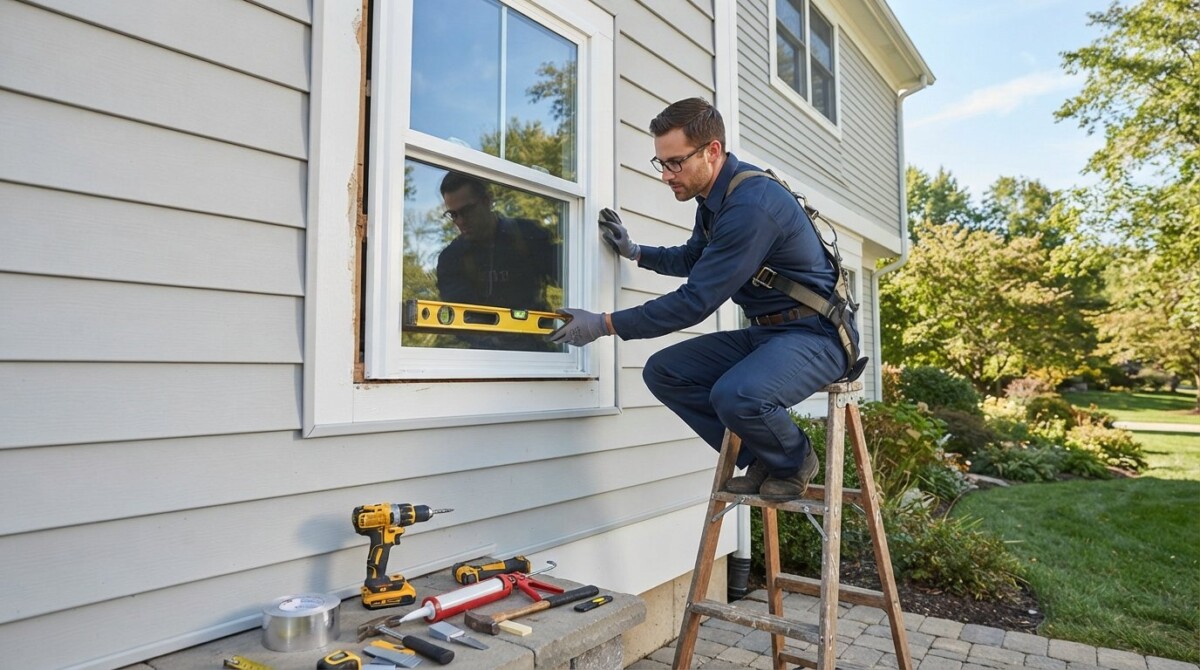
For example, if you are a window installer, you can purchase leads specifically for window replacement projects. These leads will include the homeowner’s contact information, project details, and timeline. You do not have to worry about whether the lead is a good fit; the service has already done that work. This targeted approach is much more efficient than casting a wide net. Moreover, you can set a budget that works for you, and you only pay for leads that meet your criteria. This makes it a cost-effective way to grow your business.
When choosing a lead service, look for one that offers transparency, such as clear pricing and a refund policy for low-quality leads. Also, consider the service’s reputation and the industries it serves. A service that specializes in home improvement is more likely to understand your needs than a general lead provider. By partnering with the right service, you can build a reliable pipeline of high converting contractor leads. For more insights on how a service can help you win jobs quickly, you can read our guide on real time contractor leads.
Measuring and Improving Your Conversion Rate
To ensure your lead generation efforts are paying off, you must track your conversion rate. This is the percentage of leads that turn into paying customers. For example, if you receive 20 leads and you close 5 jobs, your conversion rate is 25%. This is a solid rate for the home improvement industry. If your rate is below 10%, you likely have a problem with your lead quality or your sales process. By monitoring this metric, you can identify areas for improvement.
To improve your conversion rate, start by analyzing your current process. Are you following up quickly enough? Are you providing competitive quotes? Are you building enough trust during your interactions? Small changes, such as improving your phone script or adding a video testimonial to your website, can have a significant impact. Also, consider the pricing of your leads. If you are buying cheap leads, they may be of lower quality, which could hurt your conversion rate. Sometimes, paying more for a high-quality lead is a better investment.
Another important metric is the cost per acquisition (CPA). This is the total cost of your marketing divided by the number of jobs you close. If your CPA is too high, you are not making a profit. To lower your CPA, you can either reduce your lead costs or increase your conversion rate. Both are valid strategies, but the latter is often more sustainable. By focusing on the quality of your leads and the effectiveness of your follow-up, you can lower your CPA and increase your profitability. For a deeper dive into how to use data to win more jobs, check out our article on predictive contractor leads.
Common Mistakes to Avoid
One of the biggest mistakes contractors make is ignoring the lead until the next day. Homeowners often contact multiple contractors, and the first one to respond often wins the job. If you wait, you lose. Another mistake is not qualifying the lead before investing time in a site visit. You should ask key questions on the phone to ensure the lead is a good fit. For example, ask about their budget and timeline. If they are not serious, you can move on to a better lead.
Another common error is failing to track the source of your leads. Without this data, you will not know which marketing efforts are working. You could be spending thousands on a service that delivers zero results while ignoring a free method that brings in great clients. Always require your team to ask every caller how they found you. This simple habit can provide valuable insights into your marketing effectiveness.
Finally, do not try to be everything to everyone. Focus on your niche. If you specialize in kitchen remodels, do not accept leads for bathroom remodels unless you are confident you can do the job well. By focusing on your strengths, you will deliver better results, which leads to more referrals and repeat business. This is how you build a reputation that generates high converting contractor leads organically over time.
Leveraging Technology and Tools
Technology can be a powerful ally in your quest for high converting contractor leads. Use a CRM to organize your leads, schedule follow-ups, and track your interactions. There are many affordable options designed for small businesses. Additionally, consider using scheduling software that allows homeowners to book a consultation directly from your website. This reduces friction and makes it easier for them to take the next step.
Another useful tool is online review management. Positive reviews can significantly boost your conversion rate. Encourage satisfied customers to leave reviews on Google and other platforms. Display these reviews prominently on your website and in your marketing materials. Homeowners trust reviews as much as personal recommendations. A steady stream of positive reviews will make your business more attractive to high converting leads.
Furthermore, use analytics to measure the performance of your website and marketing campaigns. Tools like Google Analytics can show you where your traffic is coming from, which pages are converting, and where you are losing visitors. This data allows you to make informed decisions about where to allocate your resources. For instance, if you see that a particular landing page has a high bounce rate, you can revise it to improve its performance. By continuously optimizing, you can increase your lead generation efficiency without increasing your budget.
Building Long-Term Relationships
High converting contractor leads are not just about one-time transactions. They are about building long-term relationships that lead to repeat business and referrals. A homeowner who hires you for a bathroom remodel may later need a kitchen renovation or a new roof. If you have provided excellent service, they will likely call you again. They will also recommend you to their friends and family. This is the most cost-effective form of marketing.
To foster these relationships, stay in touch with your past clients. Send a seasonal maintenance checklist, a holiday greeting, or a simple email to check in. These touchpoints keep you top of mind. Additionally, consider implementing a referral program that rewards past clients for bringing in new business. This turns your satisfied customers into an extension of your sales team.
When you work with a lead generation service, you are not just buying a contact; you are entering a relationship that can grow over time. The best leads are those that come from a trusted source. By delivering excellent work and maintaining communication, you ensure that every lead, whether from a service or a referral, has the potential to become a long-term client. This is the ultimate goal of any contractor lead strategy.
In summary, the key to success is to focus on the quality of your leads, the speed of your response, and the strength of your follow-up. By implementing the strategies outlined here, you can build a steady stream of projects that keep your crew busy and your business profitable. For those looking for an immediate solution, consider exploring how instant contractor leads can provide a quick win for your pipeline.
About the Author: Mason Caldwell