Home Improvement Los Angeles California: Smart Upgrades Guide
Los Angeles real estate carries a premium price tag, so making the most of every square foot in your home matters more here than in nearly any other city. Whether you own a 1920s Spanish bungalow in Silver Lake, a mid-century modern in the Valley, or a newer condo downtown, the right home improvement Los Angeles California projects can boost comfort, functionality, and resale value. But the sheer size of the market, the diversity of housing styles, and the strict local regulations make planning essential. This guide walks through the most valuable upgrades for LA homes, how to budget realistically, and how to avoid the common pitfalls that turn renovations into headaches.
Before you pick up a hammer or call a contractor, take a step back. The most successful projects start with a clear vision, a realistic budget, and a solid understanding of what your home actually needs. In this city, where outdoor living is a year-round possibility and energy costs are a constant concern, the smartest investments often blend aesthetics with efficiency. Read on to learn how to prioritize your upgrades, vet your contractors, and navigate LA’s unique building landscape.
Why Home Improvement in Los Angeles Requires a Unique Approach
Los Angeles is not a one-size-fits-all market. The city’s architecture ranges from historic Craftsman homes to sleek contemporary builds, and each style presents distinct renovation challenges. A bathroom remodel that works perfectly in a cookie-cutter suburban house might be completely inappropriate for a 1920s Mediterranean revival, where preserving original tile and fixtures matters for historical integrity. Similarly, a kitchen expansion that requires structural changes faces different hurdles in a hillside home with a sloped lot than it would in a flat, grid-based neighborhood like the South Bay.
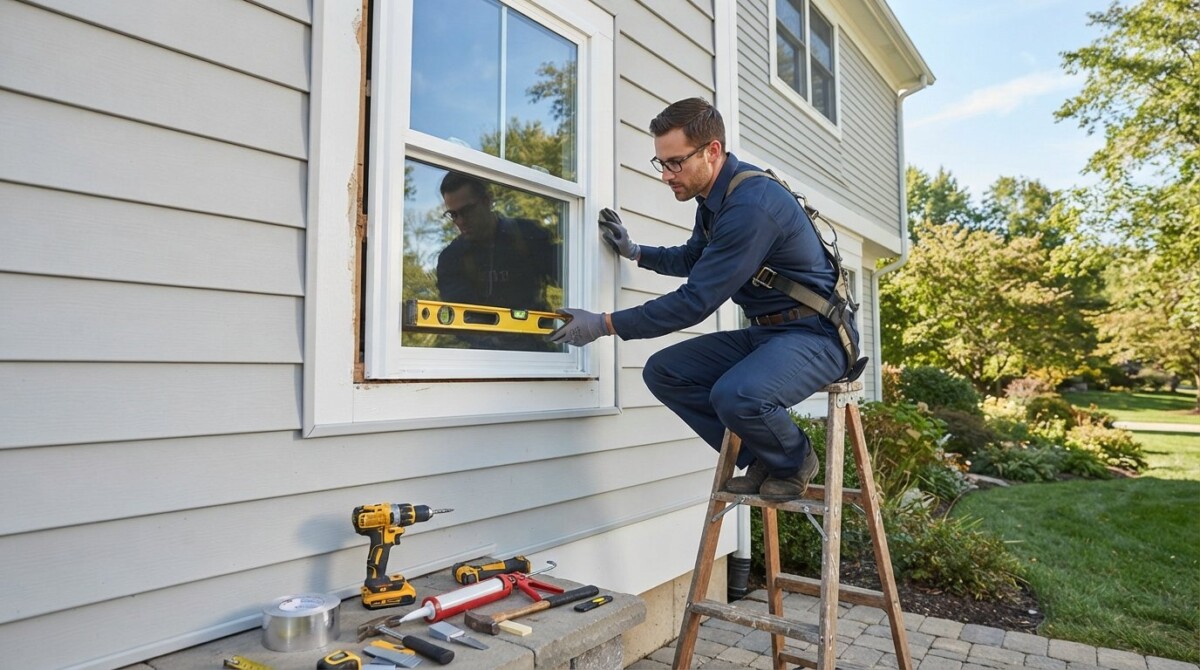
Climate also plays a starring role. With mild winters, warm summers, and occasional Santa Ana winds, your home improvement choices must account for energy efficiency and fire resistance. Upgrading to double-pane windows, installing cool roofs, or adding solar panels are not just eco-friendly statements; they are practical responses to LA’s environmental realities. These upgrades can reduce cooling bills during the hot months and increase your home’s resilience. Moreover, the city’s push toward sustainability means that many homeowners are exploring electrification, which involves replacing gas appliances with electric heat pumps and induction stoves. This shift not only aligns with statewide climate goals but can qualify you for rebates and tax incentives.
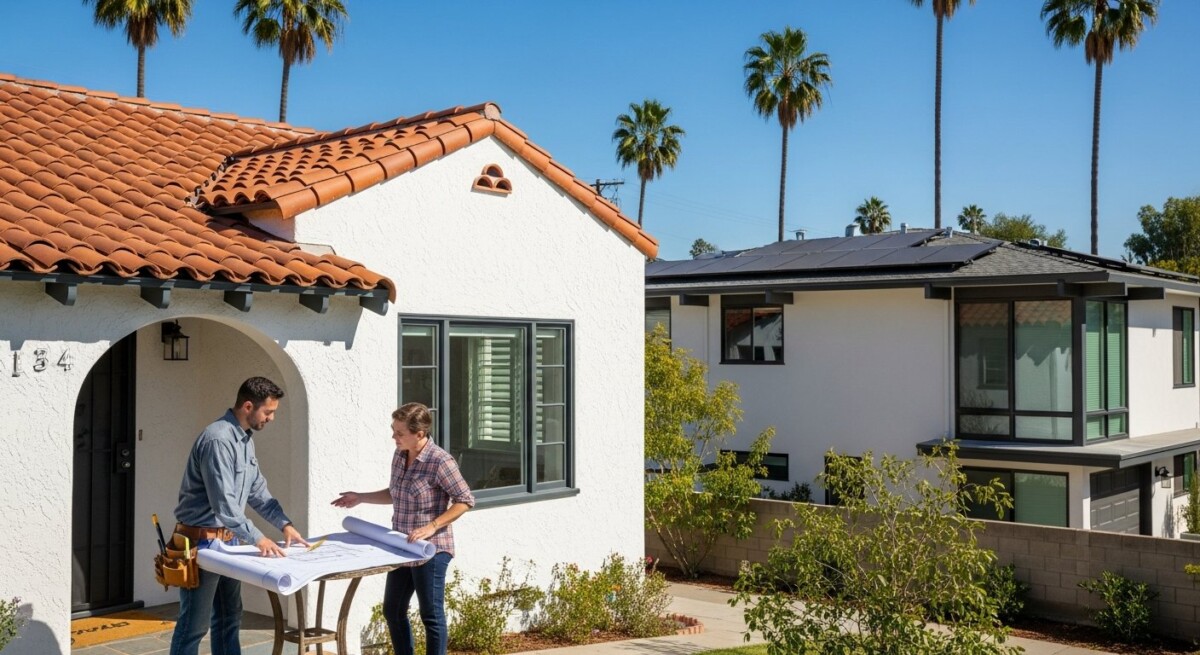
Then there are the regulations. Los Angeles has some of the most stringent building codes in the country, covering everything from seismic retrofitting to permitting requirements. A simple window replacement might require a permit if it changes the size of the opening. A room addition triggers a full plan check, including energy compliance and possibly a neighborhood notification process. Ignoring these rules can lead to fines, stop-work orders, and complications when you try to sell your home later. That is why working with professionals who understand the local landscape is non-negotiable. They know which projects require permits and how to navigate the Department of Building and Safety efficiently. For homeowners, this means less stress and fewer surprises.
Top Home Improvement Projects That Add Real Value in LA
Not all renovations are created equal. In Los Angeles, some projects deliver a much stronger return on investment than others, both in terms of daily enjoyment and future resale. If you are planning a home improvement Los Angeles California project, focusing on the following areas will give you the most bang for your buck.
Here are the top five projects that consistently pay off in the LA market:
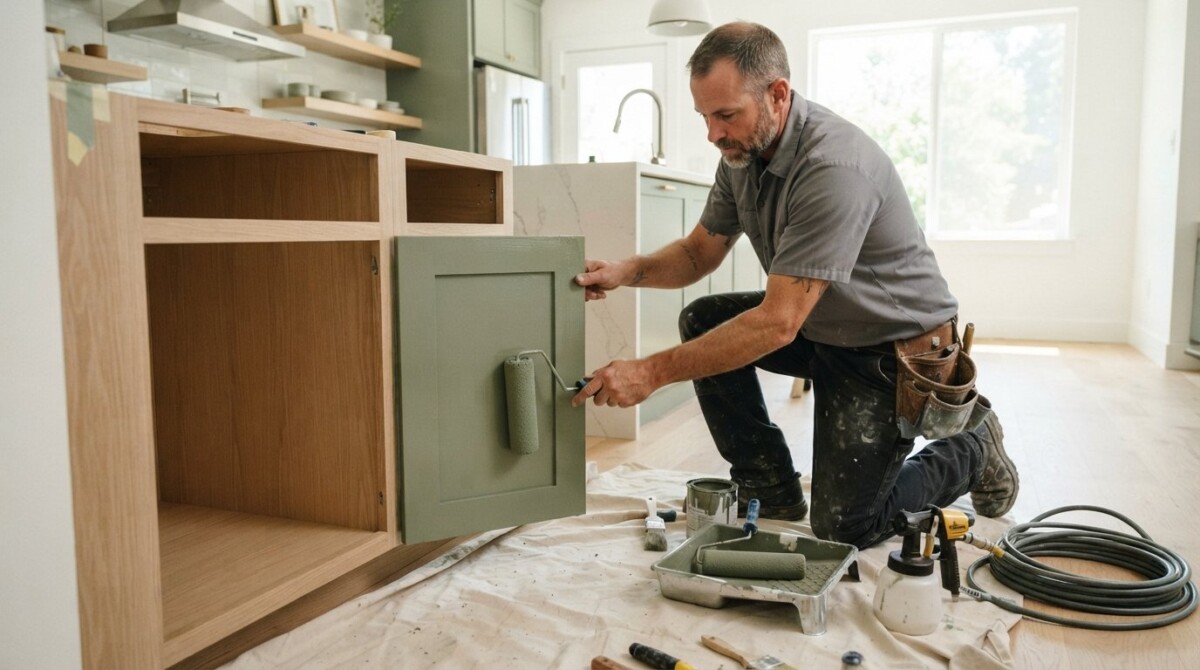
- Kitchen remodels: Updating countertops, cabinets, and energy-efficient appliances can recoup 60 to 80 percent of your costs at resale.
- Bathroom additions or renovations: Adding a second bathroom or modernizing an outdated one is a top priority for buyers, with a return of around 70 percent.
- Outdoor living spaces: Building a deck, patio, or outdoor kitchen extends your living area and capitalizes on LA’s climate.
- Energy-efficient upgrades: Installing solar panels, cool roofs, and dual-pane windows can lower utility bills and increase home value.
- ADU (Accessory Dwelling Unit) construction: Converting a garage or building a backyard unit provides rental income or space for family, with high demand across the city.
Now, let’s dive deeper into why these projects work so well. Kitchens and bathrooms are the heart of any home, and in a competitive market like LA, they can make or break a sale. A modern, functional kitchen with quartz counters and stainless steel appliances signals to buyers that they won’t need to sink money into updates. Bathrooms, especially master suites, offer a similar psychological boost. On the outdoor side, a well-designed patio with string lights and a built-in grill turns an ordinary backyard into a private oasis, something that resonates strongly with Angelenos who value indoor-outdoor living. ADUs deserve special attention because they are a purely LA phenomenon. With the city’s housing shortage, building a legal ADU can generate significant rental income, sometimes enough to cover your mortgage. The city has streamlined the approval process for these units, making them one of the most accessible high-value projects you can undertake.
When budgeting for these projects, remember that hidden costs often lurk beneath the surface. Structural issues, outdated wiring, and plumbing problems can surface once walls are opened. A good rule of thumb is to set aside 10 to 20 percent of your total budget as a contingency fund. This cushion prevents you from being caught off guard when unexpected repairs arise. It also gives you breathing room to upgrade materials if you find something you love mid-project.
How to Choose the Right Contractor for Your LA Renovation
Your contractor is the single most important partner in your home improvement journey. In Los Angeles, the sheer number of contractors can be overwhelming, so you need a reliable vetting process. Start by checking licenses and insurance. California requires contractors to hold a valid license from the Contractors State License Board (CSLB). Verify the license number online and confirm that the contractor carries both general liability and workers’ compensation insurance. This protects you if a worker gets injured on your property or if something goes wrong during the project.
Next, ask for references and, more importantly, follow up on them. A reputable contractor should be able to provide a list of past clients who are willing to share their experiences. Ask about the quality of work, adherence to schedule, and how the contractor handled any issues that arose. Also, request to see examples of completed projects that are similar in scope to yours. If you are planning a bathroom remodel, ask to see other bathroom remodels they have finished. This gives you a sense of their craftsmanship and style.
Another critical step is to get multiple bids. The old adage that you should get at least three quotes holds true. However, do not simply compare bottom lines. Scrutinize the details of each bid. What materials are included? What is the timeline? Are there allowances for fixtures and finishes? A lower bid might omit necessary work, while a higher bid might include premium materials that you do not need. To make this comparison easier, you can refer to our guide on how to compare home improvement pricing without overpaying. That article walks you through the nuances of bids, helping you spot hidden costs and unrealistic promises.
Once you have narrowed down your choices, have a detailed conversation with each candidate. Discuss your vision, timeline, and budget openly. Pay attention to how they communicate. A contractor who listens and offers thoughtful suggestions is more likely to deliver the result you want. Also, ask about their process for handling permits. In LA, permits are a way of life, and a contractor should be well-versed in obtaining them. If they suggest skipping permits to save time or money, run the other way. That is a red flag for a professional who cuts corners.
Finally, trust your instincts. The cheapest bid is not always the best, and the most expensive does not guarantee quality. Look for someone who is transparent, communicative, and genuinely excited about your project. A strong contractor-client relationship is built on trust and clear communication, which makes the entire renovation process smoother and more enjoyable.
Budgeting and Financing Your Home Improvement Project
Money matters, especially in a city where the cost of living is high and home prices are steep. Before you start any renovation, you need a realistic budget. The first step is to get accurate cost estimates for the work you want to do. Use online tools, talk to contractors, and read local cost guides. Then, add 15 to 20 percent for unexpected expenses. In LA, older homes often hide issues like knob-and-tube wiring or galvanized pipes that need updating once walls are opened. Your contingency fund will cover these surprises without derailing the whole project.
When it comes to financing, you have several options. If you have equity in your home, a home equity line of credit (HELOC) or a cash-out refinance can provide funds at relatively low interest rates. These loans use your home as collateral, so they are best for significant projects that increase your home’s value. For smaller projects, a personal loan or credit card might suffice, but be wary of high interest rates. Another increasingly popular option is the PACE (Property Assessed Clean Energy) program, which funds energy-efficient upgrades like solar panels and windows. PACE loans are repaid through your property tax bill, making them accessible but also adding a lien to your property.
Compare financing options carefully. Look at interest rates, repayment terms, and any fees. A financial advisor or your lender can help you understand the long-term costs. Also, consider the return on investment. If a kitchen remodel costs $50,000 and you expect to recoup 70 percent at resale, that is a $35,000 increase in home value. If you plan to stay in the home for another decade, the daily enjoyment might outweigh the resale value. Weigh these factors to make a decision that aligns with your financial goals.
To stretch your budget further, consider phasing the project. Instead of doing a full kitchen remodel at once, you might start with new countertops and appliances, then tackle cabinets and flooring the next year. This approach allows you to manage cash flow and make design decisions over time. It also reduces the disruption to your daily life. Many contractors are happy to work in phases if you communicate your plans upfront.
Navigating Permits and Regulations in Los Angeles
Permits might feel like a bureaucratic hassle, but they exist for good reasons: safety, structural integrity, and neighborhood consistency. In Los Angeles, the Department of Building and Safety (LADBS) oversees all construction. You need a permit for most structural changes, electrical or plumbing work, and additions. Even some smaller projects, like converting a garage to a living space, require permits because they affect the building’s occupancy and egress. The permit process ensures that your home improvement complies with the California Building Code, which includes seismic standards that are particularly important in this earthquake-prone region.
Working with a contractor who handles permits is the easiest route. They know the required forms, the inspection process, and how to resolve plan check comments. If you are acting as your own general contractor, you will need to pull the permits yourself. That involves submitting plans, paying fees, and scheduling inspections at key milestones. Missing a step can result in fines or having to tear out work that was not inspected.
Before you start, check if your project is subject to any specific neighborhood restrictions. Some historic preservation overlay zones (HPOZs) have additional rules about exterior changes. Homeowners associations (HOAs) might have their own approval processes. Ignoring these can lead to legal disputes and costly changes. A quick call to your city planning department or a review of your HOA rules can save you a world of trouble.
If you are working with a contractor, ask them to include permit fees in the bid. This keeps the total cost transparent. Also, verify that the contractor pulls the permit under their license number, which legally binds them to the work. If a contractor suggests skipping the permit to save money, consider it a major red flag. Permits not only protect you but also provide a record of the work that can be valuable when you sell your home. Buyers and their agents are increasingly looking for proof that renovations were permitted and inspected.
Finding the Right Professionals and Materials in LA
Los Angeles is a vast market, and finding the right professionals and materials can feel like a full-time job. The key is to leverage local resources. Online reviews on platforms like Yelp and Houzz are a good starting point, but they should not be your only source. Word-of-mouth recommendations from friends, neighbors, and local real estate agents are often more reliable. Your agent has seen many renovations and can recommend contractors who consistently deliver quality work.
Once you have a shortlist, do a deeper vetting. Check their portfolio for projects similar to yours. For a bathroom remodel, look for a contractor who specializes in that type of work, not a general builder who dabbles. Specialists are more likely to know the latest materials and techniques, and they often have established relationships with suppliers, which can translate into better pricing for you.
For materials, LA has an abundance of showrooms, tile shops, and lumber yards. Visiting these in person allows you to see and touch materials, which is crucial for making aesthetic choices. You can also take advantage of local salvage yards for unique, vintage fixtures that add character to your home. If you are on a budget, consider going with mid-range materials that look high-end. For example, quartz countertops are durable and stylish, and they cost less than natural stone. Luxury vinyl plank flooring mimics wood but is more affordable and water-resistant, making it a great choice for kitchens and bathrooms.
When it comes to hiring a contractor, remember that the cheapest option can end up costing more in the long run if the work is shoddy. A reputable professional will provide a detailed contract that outlines the scope of work, timeline, payment schedule, and warranty. Do not sign anything until you are comfortable with every clause. If you are unsure about pricing, our article on why local home improvement specialists save you time and money explains how hiring a professional with local knowledge can prevent costly mistakes and delays. Local specialists also know the building codes and inspection requirements, which speeds up the approval process.
Finally, consider using a lead generation service like HomeRemodelingLeads to connect with vetted contractors in your area. This platform matches homeowners with pre-qualified professionals who are actively looking for projects. It can save you hours of cold-calling and provide you with a shortlist of contractors who are ready to bid on your job. While it does not replace your own vetting, it streamlines the initial search and introduces you to professionals who are serious about their business.
Common Mistakes to Avoid in Your LA Home Improvement
Even the most enthusiastic homeowners can stumble into pitfalls. One of the most common mistakes is underestimating the timeline. Renovations in LA often take longer than expected due to permit delays, material backorders, and inspections. Build a buffer into your schedule, especially if you are living in the home during the work. Another mistake is over-improving for the neighborhood. If you plan to sell within a few years, do not outpace the average home value in your area. A $200,000 kitchen in a $500,000 house might not recoup its cost, whereas a modest update could be more profitable.
Another frequent error is ignoring energy efficiency. In LA’s climate, heating and cooling account for a large portion of utility bills. Upgrading to energy-efficient windows, adding insulation, and installing a smart thermostat can reduce these costs significantly. These upgrades also appeal to eco-conscious buyers. Similarly, neglecting to plan for proper ventilation can lead to mold issues, especially in bathrooms and kitchens. Moisture problems are common in older homes, and they can cause health issues and structural damage if left unchecked.
Communication breakdowns also derail projects. Establish a clear line of communication with your contractor from the start. Decide how you will receive updates: daily emails, weekly meetings, or a shared project management app. Make sure you understand the payment schedule and what constitutes completion of each phase. Do not make large upfront payments; reputable contractors typically require a deposit of 10 to 20 percent, with progress payments tied to milestones. This protects you if the contractor abandons the project or performs subpar work.
Finally, do not forget about the surrounding landscape. In LA, the exterior of your home is just as important as the interior. Curb appeal can dramatically affect your home’s perceived value. Simple upgrades like fresh paint, a new front door, or drought-tolerant landscaping can make a strong first impression. These projects are often less expensive than interior renovations but offer a high return on investment. They also create a welcoming atmosphere that you can enjoy every day.
Making Your Home Improvement Project a Success
Ultimately, a successful home improvement Los Angeles California project is one that meets your needs, fits your budget, and enhances your home’s value. It starts with a clear vision, continues with careful planning, and succeeds through collaboration with the right professionals. By focusing on high-impact projects, budgeting wisely, and navigating permits with care, you can transform your LA home into a space that is both beautiful and functional.
For homeowners who are ready to start, the resources are out there. Whether you need a contractor for a full remodel or a specialist for a specific trade, taking the time to vet and hire the right person is your best investment. And if you are feeling overwhelmed by the search, consider using a lead generation service to get connected with local professionals who are eager to help. Remember, the goal is not just to complete a project, but to enhance your daily life and protect your home’s future. With the right approach, your next renovation can be a smooth, rewarding experience.
If you are also considering smart home technologies, you might find inspiration in our guide on smart home improvement in Denver Colorado, which covers automation trends that apply just as well to LA homes. Integrating smart thermostats, lighting controls, and security systems can add convenience and efficiency, making your home more attractive to modern buyers. In a city that prides itself on innovation, these upgrades are a natural fit.
As you move forward, keep in mind that home improvement is a journey, not a destination. Your home will continue to evolve with your needs and the market. By making thoughtful decisions today, you are setting the stage for a comfortable, valuable, and enjoyable home for years to come. So take the first step, whether it is researching contractors, sketching out a design, or simply setting a budget. The effort you put in now will pay off in the form of a home you love and a solid financial investment.
About the Author: Lila Kensington