Patio Remodel or Addition: Which Boosts Value More?
Your backyard holds untapped potential. A worn concrete slab or a cramped, underused patio might be the reason your outdoor space feels more like an afterthought than an extension of your home. When homeowners decide to transform this area, they often face a pivotal question: should you remodel the existing patio or build a brand new addition? The answer is rarely straightforward. It depends on your home’s structural reality, your budget, your long-term goals, and the return on investment you expect. This decision shapes not only your daily living experience but also your property’s market value.
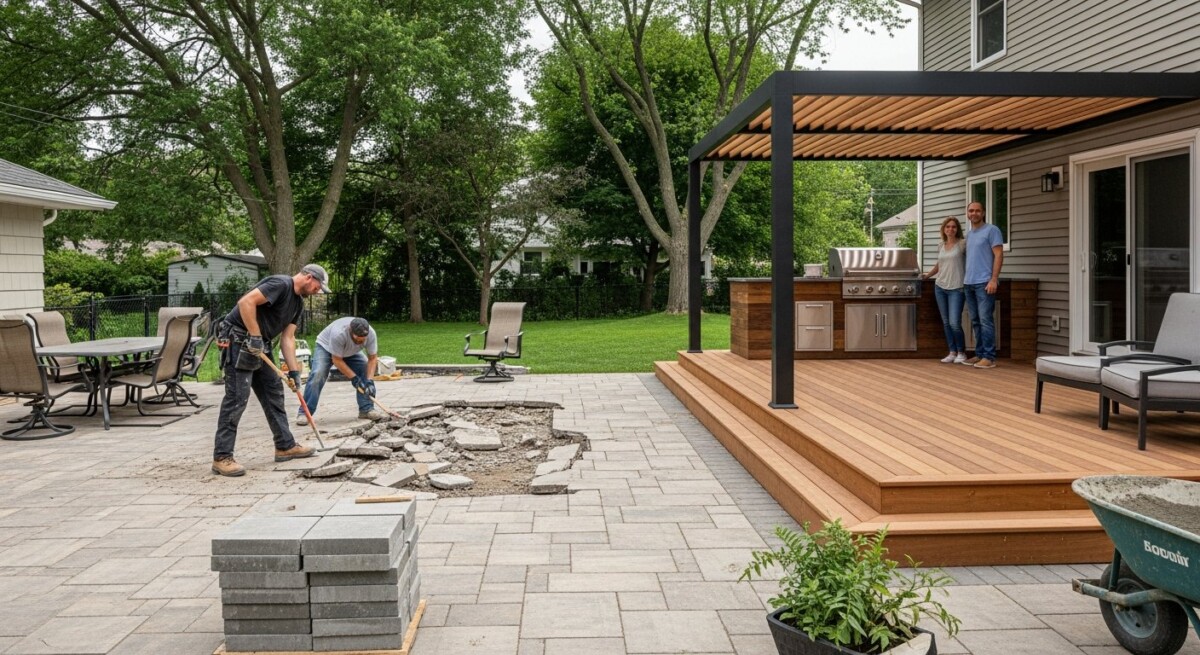
Before you call a contractor or browse design inspiration, you need a clear framework for evaluating your situation. A patio remodel focuses on upgrading what is already there. Think new pavers, an outdoor kitchen, a pergola, or refreshed landscaping. A patio addition, by contrast, expands your footprint. It might mean extending the slab, adding a screened porch, or building a multi-level deck that connects to a new seating area. Both paths can deliver stunning results, but they serve different purposes and come with distinct costs, timelines, and complications.
In this guide, we will walk through the key factors that separate a smart remodel from a necessary addition. We will also show you how to approach the project with confidence, whether you plan to stay in your home for years or prepare it for sale. By the end, you will know exactly which questions to ask and which direction fits your property.
Assessing Your Current Patio: Remodel or Tear Out
The first step is a brutally honest evaluation of your existing structure. Grab a tape measure, a level, and a flashlight. Walk the perimeter and look for cracks wider than a quarter inch, uneven settling, or drainage pooling near the foundation. These issues often signal that a simple surface refresh will not solve the underlying problem. If your patio slab is heaving or sinking, a cosmetic overlay will only fail prematurely. In that case, a full removal and new addition might be the safer investment.
However, if the structure is sound but outdated, a remodel can work wonders. For example, a 20-year-old concrete patio with minor surface cracks can be resurfaced with stamped overlays or coated with textured finishes. Old brick pavers can be cleaned, re-sanded, and sealed to look brand new. The key is to distinguish between wear and tear versus structural failure. A professional inspection, which many contractors offer for free, can give you a definitive answer. Ask them to check the base layer, the slope, and the frost line depth if you live in a colder climate.
Key Questions for Your Patio Assessment
To organize your thoughts, use this checklist before making any decisions:
- Structural integrity: Are there large cracks, movement, or signs of water damage?
- Drainage: Does water pool anywhere after rain, or does it flow away from your home’s foundation?
- Size and layout: Does the current footprint accommodate your furniture, grill, and traffic flow?
- Age and materials: Are the materials still available for matching, or are they discontinued?
- Permit history: Was the original patio built to code, and are there any easements or setbacks?
Answering these questions honestly will save you from costly mistakes. For instance, if your patio is only 10 by 12 feet and you want to host dinner parties for eight, no amount of resurfacing will change the fact that it is simply too small. That is a clear case for an addition. Conversely, if the size works but the aesthetic feels tired, a remodel with new furniture, lighting, and plants may be all you need.
Cost Comparison: Remodel vs. Addition
Money is the deciding factor for most homeowners. A remodel is usually the cheaper route because you are working with an existing foundation and structure. Expect to pay between $1,500 and $8,000 for resurfacing, new pavers, or a fresh coat of sealant. If you add features like an outdoor kitchen or a fireplace, costs can climb to $15,000 or more, but the base work remains lighter than a full build. On the other hand, a patio addition starts with demolition, excavation, and new concrete pouring. Prices for a 200-square-foot addition typically range from $5,000 to $15,000, and that is before you add any upgrades.
But the raw numbers do not tell the whole story. A remodel might seem affordable now, but if it only buys you five years before the underlying issues resurface, you could end up paying twice. An addition, while more expensive upfront, can increase your home’s living space and appeal. According to the National Association of Realtors, a well-executed patio addition can recoup over 65% of its cost at resale, and that number rises if you live in a warm climate where outdoor living is a priority. A remodel, especially one that only updates surfaces, tends to have a lower return because buyers expect functional outdoor spaces, not just pretty ones.
To get an accurate estimate, request itemized quotes from at least three licensed contractors. Break down the costs by labor, materials, permits, and cleanup. Also, factor in the value of your time. A remodel might take two weeks, while an addition could stretch to six weeks or more. If you are living in the house during construction, that disruption matters.
Design and Functionality: What Are You Trying to Achieve?
Your lifestyle should dictate the scope of the project. A patio remodel is ideal when you want to enhance the existing space without changing its footprint. You can add built-in seating, upgrade the lighting, install a pergola for shade, or replace old concrete with elegant travertine. The goal is to make the space more enjoyable and visually cohesive with your home’s architecture. This approach works well for homeowners who already love the size and location of their patio but want a fresh, modern feel.
A patio addition, however, becomes necessary when your needs outgrow the current layout. Maybe you want to create distinct zones: a dining area, a lounging corner, and a cooking station. Or perhaps you need to connect the patio to a new outdoor kitchen or pool. An addition gives you the freedom to design from scratch, ensuring proper traffic flow and proportion. It also allows you to address grading issues, improve drainage, and integrate the patio with the rest of your landscape. If you have been tripping over furniture or squeezing around a grill, an addition is the functional fix.
When an Addition Makes Sense
Consider these scenarios that almost always call for expansion:
- Your patio is too small for your typical number of guests. If you entertain regularly, a cramped space will always feel like a compromise.
- You want to add a major feature like a hot tub or outdoor kitchen. These require additional structural support and often a larger footprint.
- The patio is disconnected from your home’s main living area. An addition can bridge the gap with a walkway or covered transition.
- Your property slopes away from the house. An addition with proper leveling and retaining walls can fix drainage and create usable space.
On the flip side, a remodel is the better choice when the footprint is adequate but the materials are dated, the layout feels awkward, or you simply want a style upgrade. For example, replacing a cracked concrete slab with patterned pavers and a fire pit transforms the ambiance without expanding a single square foot. Many homeowners also use a remodel to incorporate smart technology, like outdoor speakers, lighting controls, and heating elements, which can be retrofitted into existing structures.
Return on Investment and Resale Value
If you plan to sell your home within the next five years, the financial return matters more than personal enjoyment. Real estate experts agree that outdoor living spaces are a top selling point in most markets. A patio addition that expands your square footage is generally seen as a higher-value improvement than a remodel that only updates surfaces. Why? Because buyers look for usable space. A larger patio implies more room for entertainment, which translates to a higher perceived value.
That said, a remodel can still deliver a solid return if it modernizes an outdated area. For instance, replacing worn concrete with premium pavers and adding a fire feature can make your home stand out against comparable listings. The key is to avoid over-improving relative to your neighborhood. If every home nearby has a basic concrete patio, a $30,000 addition might price you out of the market. A $10,000 remodel could give you a better return on investment because it aligns with buyer expectations.
To maximize ROI, focus on changes that appeal to a broad audience. Neutral colors, durable materials, and low-maintenance features are safe bets. Avoid highly personalized elements like a custom pizza oven or a koi pond, which may not resonate with buyers. Also, ensure that any addition complies with local zoning laws and HOA rules. Unpermitted work can become a liability during a home sale, forcing you to either tear it down or negotiate a lower price.
Contractor Selection and the Lead Generation Advantage
Whether you choose a remodel or an addition, the success of your project hinges on the contractor you hire. A reputable professional can spot issues you might miss, recommend cost-effective solutions, and deliver quality workmanship that stands the test of time. But finding that contractor can feel overwhelming, especially if you have never managed a home improvement project. You can ask for referrals from friends, read online reviews, and check credentials with your local licensing board. However, these methods often produce a long list of options without clear differentiation.
This is where a lead generation platform like HomeRemodelingLeads can be a game changer. Instead of cold-calling random companies from a directory, you can receive pre-qualified leads from homeowners who are actively seeking patio remodeling or addition services. For contractors, this means a steady stream of high-intent customers without the guesswork of traditional marketing. For homeowners, it means you are more likely to connect with vetted professionals who are genuinely interested in your project, not just a sales pitch.
When vetting a contractor, always ask for proof of insurance, a written contract, and a detailed timeline. Check their portfolio for similar patio projects, and request references from past clients. A trustworthy contractor will walk you through the pros and cons of a remodel versus an addition, based on an honest assessment of your property. Be wary of anyone who pushes a specific solution without inspecting your patio first. The right professional will prioritize your needs over their bottom line.
If you are a contractor reading this, consider how lead generation can stabilize your business. Patio projects often come with higher budgets than smaller repairs, and homeowners who contact you through a platform like HomeRemodelingLeads have already expressed a need. They are not tire-kickers; they are ready to book a consultation. By investing in targeted leads, you can reduce your marketing costs and focus your time on quoting and completing projects that actually convert.
Permits, Codes, and Logistics
Both remodels and additions can trigger local permitting requirements. A simple resurfacing project might not need a permit, but adding square footage, changing the structure, or altering drainage almost certainly will. Check with your city or county building department before any work begins. The permit process protects you by ensuring that the construction meets safety and zoning standards. It also affects your property taxes and resale value, so do not skip it.
Your contractor should handle the permitting process as part of the service, but you should still verify that they pull the necessary permits. Ask to see the approved plans and the final inspection certificate. If you are doing a DIY remodel, be prepared to submit drawings and pay fees yourself. The cost of permits varies widely, from $50 for a minor repair to $500 or more for a substantial addition. Factor this into your budget from the start.
Logistics also matter. A patio addition requires excavation, which means you will need to plan for sod removal, debris disposal, and potential utility line location. Mark any underground cables or pipes before digging. If your addition involves electrical work, like outdoor lighting or a kitchen, you will need a licensed electrician. Similarly, plumbing for an outdoor sink or shower requires a plumber. These specialists add to the timeline and cost, so plan accordingly.
Making the Final Decision
After weighing costs, functionality, and ROI, you likely have a leaning. But here is a final litmus test: imagine your ideal outdoor moment. Is it a quiet morning coffee on a small, elegant patio? Then a remodel might be all you need. Is it a lively barbecue with friends spread across multiple seating areas? Then an addition is the better fit. Your answer should also consider your home’s resale trajectory. If you plan to move soon, prioritize projects that appeal to the broadest buyer pool. If you are staying for a decade, focus on what makes you happy.
Whichever route you choose, remember that a patio is more than a hardscape. It is an extension of your home’s living space. It connects you to nature, hosts your memories, and adds tangible value to your property. By making an informed choice now, you avoid the regret of a half-hearted upgrade or an unnecessary expense. Take the time to measure, budget, and consult with professionals. Your future self, relaxing on that perfect patio, will thank you.
Ready to move forward? Whether you are a homeowner seeking a skilled contractor or a professional looking to grow your patio business, the next step is connecting with the right people. HomeRemodelingLeads simplifies that connection by matching you with verified leads in your area. Start your project with confidence, knowing that the decision between a patio remodel or addition is just the beginning of a rewarding transformation.
About the Author: David