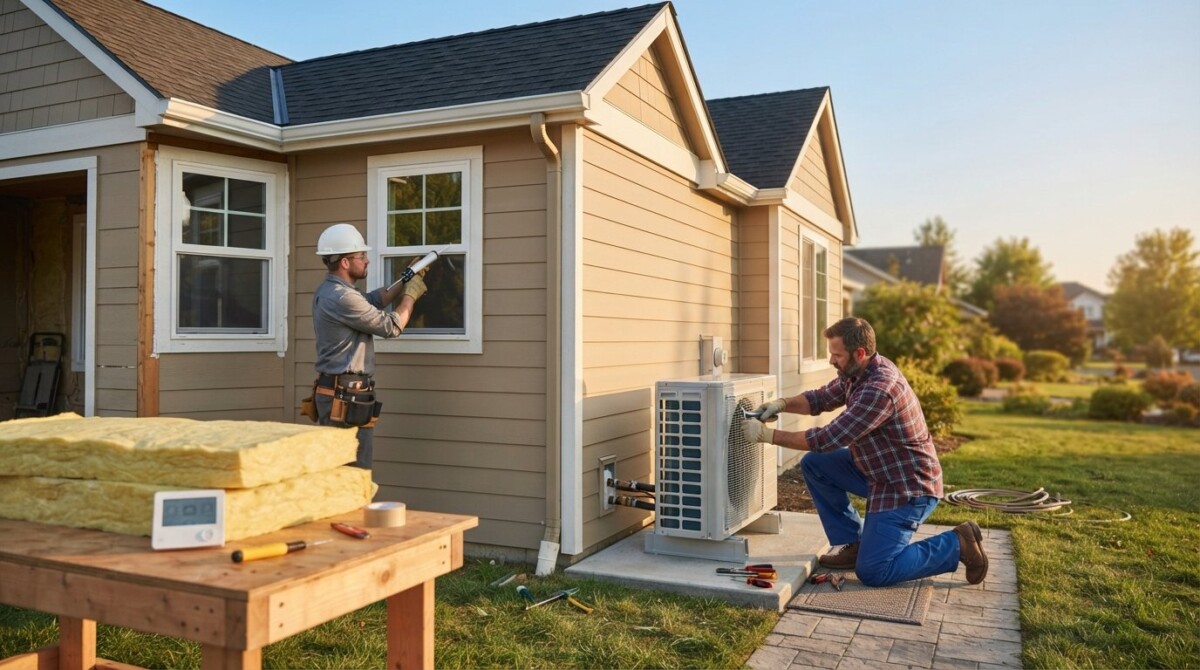
Energy Efficient Home Upgrades That Pay Off in 2026
When utility bills climb every summer and winter, homeowners start looking for answers. The good news is that strategic investments in your home can slash those monthly costs while boosting comfort and resale value. Energy efficient home upgrades are no longer just about saving the planet, they are about protecting your wallet and making your living space genuinely better. Whether you are planning a full renovation or just want to tackle a few high-impact projects, the key is knowing which upgrades deliver the biggest return for your specific home.
This guide walks you through the most effective energy upgrades, from quick fixes you can complete in a weekend to larger projects that require professional help. You will also learn how to prioritize your spending, avoid common mistakes, and even turn your home improvement projects into a source of new business if you are a contractor. By the end, you will have a clear roadmap for making your home more efficient, comfortable, and valuable.
Why Energy Efficiency Matters More Than Ever
Energy costs have risen steadily over the past decade, and they show no sign of dropping. According to the U.S. Energy Information Administration, the average American household spends over $2,000 per year on utilities, and a significant portion of that is wasted due to drafty windows, poor insulation, and outdated appliances. When you upgrade your home’s energy systems, you are not just reducing your carbon footprint, you are directly lowering your monthly expenses.
Beyond the financial savings, energy efficient homes are more comfortable. Proper insulation keeps temperatures consistent, high-efficiency windows eliminate cold drafts, and modern HVAC systems maintain even airflow without the constant cycling that makes rooms feel stuffy or clammy. These upgrades also increase your property’s marketability. Appraisers and buyers increasingly look for energy certifications and efficient systems, which can add thousands to your home’s resale value.
For homeowners planning renovations, the timing is perfect. Many energy upgrades pair naturally with remodeling projects. If you are already updating a kitchen or bathroom, you can integrate efficient lighting, water fixtures, and appliances without much extra cost. The same applies to roofing and window replacement, both of which offer opportunities to improve insulation and ventilation. If you are a contractor, these upgrades represent a growing demand that you can tap into, and platforms like energy efficient home upgrades can help you connect with homeowners actively seeking these services.
Top Energy Efficient Home Upgrades to Consider
Not all upgrades are created equal. Some offer rapid payback, while others are better suited for long-term ownership. Here are the most impactful upgrades, ranked by their typical return on investment and ease of implementation.
- Attic insulation: Adding or replacing insulation in your attic is one of the most cost-effective upgrades you can make. It prevents heat from escaping in winter and keeps hot air out in summer, reducing HVAC load by up to 20%.
- LED lighting: Swapping out incandescent bulbs for LEDs uses 75% less energy and lasts 25 times longer. This is a five-minute project with immediate savings.
- Smart thermostats: These devices learn your schedule and adjust temperatures automatically, cutting heating and cooling costs by 10 to 15% without sacrificing comfort.
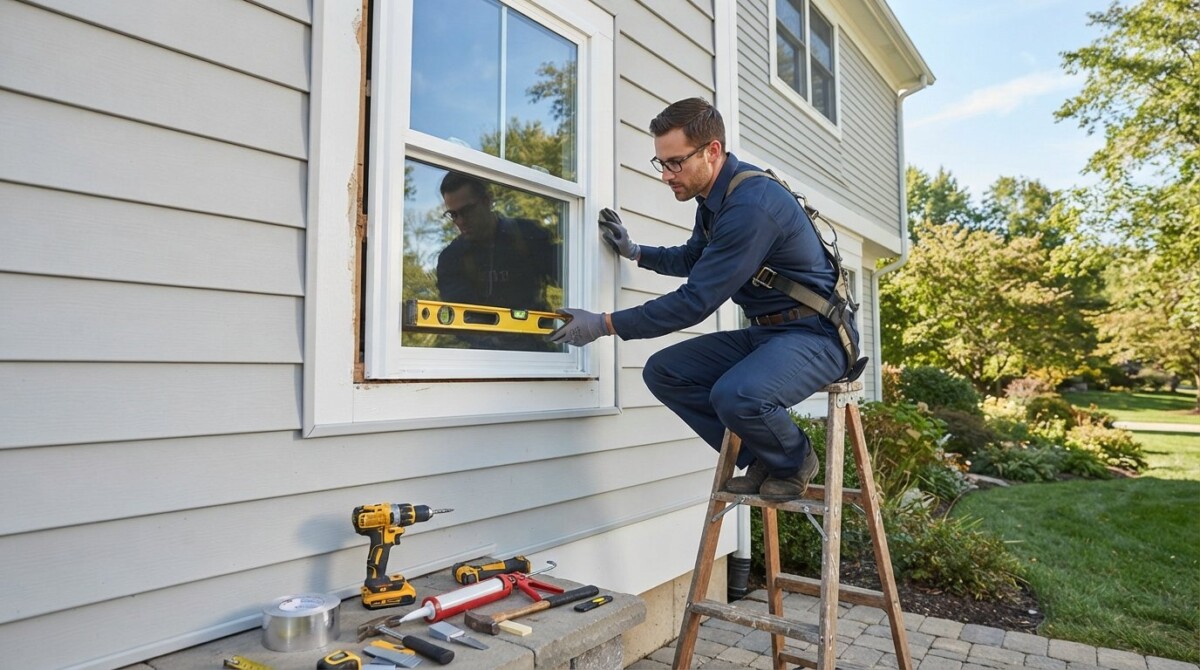
- High-efficiency windows: Double-pane or triple-pane windows with low-E coatings reduce heat transfer, minimize drafts, and lower utility bills. They also reduce outside noise.
- Energy Star appliances: Replacing an old refrigerator, dishwasher, or water heater with an Energy Star model can save hundreds of dollars annually, especially if your current units are over 10 years old.
These five upgrades form the foundation of any energy efficiency plan. They are proven, widely available, and can be phased in over time. Start with the ones that address your home’s biggest energy leaks, which you can identify with a professional energy audit.
How to Prioritize Your Upgrades for Maximum Savings
With so many options, where should you begin? The best approach is to conduct a home energy audit first. Many utility companies offer free or discounted audits that use blower doors and infrared cameras to pinpoint air leaks and insulation gaps. If a professional audit is not available, you can do a simple DIY assessment by feeling for drafts around windows, doors, and electrical outlets, and checking your attic’s insulation depth.
Once you know your home’s weak points, rank upgrades by three factors: upfront cost, annual savings, and lifespan. For example, sealing air leaks with caulk and weatherstripping costs under $200 and can save up to 10% on heating and cooling bills. That payback period is often under two years. On the other hand, a geothermal heat pump can cost $15,000 or more, but it may cut heating and cooling costs by 50%, making it a strong long-term investment if you plan to stay in your home for a decade or more.
Another strategy is to bundle upgrades with other renovations. For instance, if you are replacing your roof, consider adding rigid foam insulation underneath the decking. If you are remodeling a bathroom, install a low-flow toilet and a tankless water heater. This approach reduces labor costs and maximizes the efficiency of your remodeling budget. It also increases the overall value of your home, which is a major selling point if you ever decide to list it.
The Financial Side: Costs, Rebates, and Payback Periods
One of the biggest barriers to energy upgrades is the upfront cost. However, there are numerous financial incentives that make these projects more affordable. The federal government offers tax credits for certain upgrades, such as solar panels, heat pumps, and insulation, under the Inflation Reduction Act. These credits can cover up to 30% of the cost, with specific caps for each category. Many states and municipalities add their own rebates, and utility companies often provide cash incentives for energy-efficient appliances and HVAC systems.
To give you a realistic picture, here are average costs and payback periods for common upgrades:
- Attic insulation (fiberglass or spray foam): $1,500 to $3,500, payback in 2 to 5 years.
- Programmable or smart thermostat: $100 to $300, payback in 1 to 2 years.
- LED lighting (entire home): $100 to $300, payback in under a year.
- Energy Star windows (full replacement): $8,000 to $15,000, payback in 5 to 10 years.
- Heat pump water heater: $1,200 to $2,500, payback in 3 to 5 years.
Before you start any project, check the Database of State Incentives for Renewables and Efficiency (DSIRE) to see what incentives apply to your location. Also, ask your contractor about manufacturer rebates, which can reduce the price of high-efficiency equipment. Many homeowners find that combining federal credits, state rebates, and utility incentives can cut the total cost by 30% to 40%.
For contractors, offering energy audits and efficiency upgrades is a smart way to increase revenue. Homeowners are often willing to pay a premium for expertise, especially when they know they will recoup the cost through lower bills. By positioning yourself as an energy efficiency specialist, you can attract higher-quality leads and build a reputation that leads to repeat business.
Case Study: A Real-World Example of an Energy Efficient Home Upgrade
Consider the Johnson family in a 1970s suburban home. Their winter heating bills averaged $300 per month, and their summer cooling costs were nearly as high. They decided to invest in several upgrades over a two-year period. First, they added 16 inches of blown-in fiberglass insulation to their attic, which cost $2,200. Next, they replaced their 20-year-old windows with double-pane, low-E models, spending $9,500. Finally, they installed a smart thermostat for $250.
The results were dramatic. Their heating bill dropped to $180 per month in the first winter, and their cooling costs fell by 25% the following summer. The total annual savings came to roughly $1,400, meaning the upgrades paid for themselves in about eight and a half years. Additionally, the home felt more comfortable, with fewer drafts and more stable temperatures in every room. When they sold the house five years later, the energy-efficient features were a key selling point, helping them get $12,000 more than comparable homes in the area.
This example illustrates the importance of a phased approach. You do not have to do everything at once. Start with the most cost-effective upgrades, reinvest the savings into larger projects, and you will steadily transform your home into an energy-efficient powerhouse.
DIY vs. Professional Installation: What You Need to Know
Some energy upgrades are perfect for DIY enthusiasts, while others require professional skills. Air sealing, weatherstripping, and installing LED bulbs are simple tasks that any homeowner can handle. Adding insulation in an accessible attic is also doable if you have the right safety gear and follow manufacturer instructions. However, projects like window replacement, HVAC installation, and solar panel mounting are best left to certified professionals. Mistakes can lead to air leaks, moisture damage, or even safety hazards.
When hiring a contractor, always verify their credentials, ask for references, and get multiple quotes. Look for professionals who specialize in energy efficiency and have experience with rebate paperwork. A good contractor will perform a load calculation for your HVAC system, rather than guessing the right size, and will use blower door tests to verify that your air sealing is effective.
For homeowners, the biggest challenge is finding trustworthy professionals. This is where a lead generation service like home upgrade leads can be invaluable. It connects you with vetted contractors in your area who have been pre-screened for quality and reliability. You can compare quotes, read reviews, and choose the best fit for your project, all without the stress of cold-calling or trusting random online listings.
Integrating Energy Efficiency into Larger Remodels
If you are planning a kitchen or bathroom remodel, you have a golden opportunity to incorporate energy-saving features without significant extra cost. In the kitchen, choose Energy Star refrigerators and dishwashers, install induction cooktops (which are more efficient than gas or electric resistance), and add under-cabinet LED lighting. In the bathroom, low-flow toilets use 20% less water per flush, and tankless water heaters provide hot water on demand, eliminating standby energy losses.
During a basement remodel, consider insulating the walls and floor, which can reduce heat loss by up to 30%. If you are finishing an attic, use spray foam insulation and install energy-efficient skylights that bring in natural light without overheating. Even simple choices like using low-VOC paints and recycled materials contribute to a healthier, more sustainable home.
For contractors, this is a chance to upsell your services. When a client asks for a bathroom renovation, you can suggest adding a heat recovery ventilator to improve indoor air quality, or a radiant floor heating system that uses 15% less energy than forced air. These add-ons increase your project value and differentiate you from competitors who only offer basic remodeling. By partnering with energy efficient home upgrade leads, you can find homeowners who are already interested in these high-value improvements.
Common Mistakes to Avoid When Making Energy Upgrades
Even well-intentioned homeowners can derail their energy efficiency projects with a few common errors. The first is over-insulating without addressing air leaks. Insulation only works when it is paired with proper air sealing. If you leave gaps around pipes or vents, warm air will still escape, and moisture can accumulate, leading to mold and structural damage.
Another mistake is installing an oversized HVAC system. Many contractors assume that bigger is better, but an oversized unit will short-cycle, meaning it turns on and off frequently. This wastes energy, reduces dehumidification, and shortens the system’s lifespan. Always insist on a Manual J load calculation to determine the correct size for your home.
Finally, do not neglect maintenance. Even the most efficient systems lose performance if filters are dirty, coils are clogged, or ducts are leaking. Schedule annual tune-ups for your HVAC equipment, clean or replace filters monthly, and seal duct joints with mastic. These small actions can maintain your energy savings for years to come.
How Contractors Can Capitalize on the Energy Efficiency Trend
If you are a contractor, the demand for energy efficient home upgrades is a golden opportunity. Homeowners are actively searching for professionals who can install solar panels, replace windows, upgrade insulation, and modernize HVAC systems. By positioning your business as an energy efficiency expert, you can attract higher-paying projects and build a loyal customer base.
Start by getting certified in energy auditing or green building standards like LEED or ENERGY STAR. This adds credibility and allows you to offer services that competitors cannot. Next, create content that educates homeowners about the benefits of energy upgrades, such as blog posts or videos showing before-and-after energy bills. Finally, invest in a steady stream of high-quality leads. A service like the one offered by HomeRemodelingLeads can provide you with pre-qualified homeowners who are ready to book projects, saving you time and marketing money.
The key is to act now. The energy efficiency market is growing rapidly, and homeowners are more informed than ever. Those who establish themselves early will dominate their local market, while those who lag will struggle to keep up.
Energy efficient home upgrades are not a passing trend, they are a smart investment in your home’s future and your family’s comfort. Start with an audit, prioritize your projects, and take advantage of available incentives. Whether you tackle a single upgrade or a full renovation, every step you take brings you closer to lower bills, a smaller carbon footprint, and a more valuable property.
If you are ready to begin your next project, or if you are a contractor looking to expand your business, explore the resources available at HomeRemodelingLeads. You will find the tools and connections you need to make your energy efficiency goals a reality.
About the Author: Mason Caldwell