
Why Local Home Improvement Specialists Beat Big Box Contractors
When your kitchen countertop is cracked or your bathroom tile is peeling, the temptation to call the first national chain that pops up in a search can be strong. But homeowners who have been through a renovation or two know a secret: local home improvement specialists often deliver better results, clearer communication, and more honest pricing than their corporate counterparts. The question is not whether to hire a specialist, but how to find the right one for your specific project and budget.
This guide walks through the real advantages of working with neighborhood experts, how to vet them properly, and how to avoid the common pitfalls that turn remodeling dreams into costly headaches. You will also learn why connecting with vetted local pros through a platform like HomeRemodelingLeads can save you weeks of research and thousands of dollars in avoidable mistakes.
The Hidden Cost of Hiring the Wrong Contractor
Every year, homeowners lose billions of dollars to botched renovations, unfinished projects, and surprise fees. The root cause is rarely a lack of skill. It is almost always a mismatch between the homeowner’s expectations and the contractor’s capacity, communication style, or licensing. A handyman who excels at painting may not be the right person to rewire your kitchen, and a national franchise that sends different crews each week might never build the trust you need for a multi-phase remodel.
Local home improvement specialists bring a different energy to the job. They live in your community, they rely on word-of-mouth referrals, and they have a reputation to protect. When a plumber or electrician is just a phone number, you have no leverage if something goes wrong. When they are your neighbor’s brother-in-law or a business that has served your town for twenty years, accountability is built into the relationship.
That accountability translates directly into better workmanship. Specialists who work a specific geographic area know the local building codes, the climate challenges, and the typical construction styles of your neighborhood. They also have established relationships with local suppliers, which means faster turnaround times and better material prices. In our guide on smart upgrades for Los Angeles homes, we highlight how regional knowledge can turn a standard renovation into a high-ROI investment.
What Makes a Specialist Different from a General Contractor
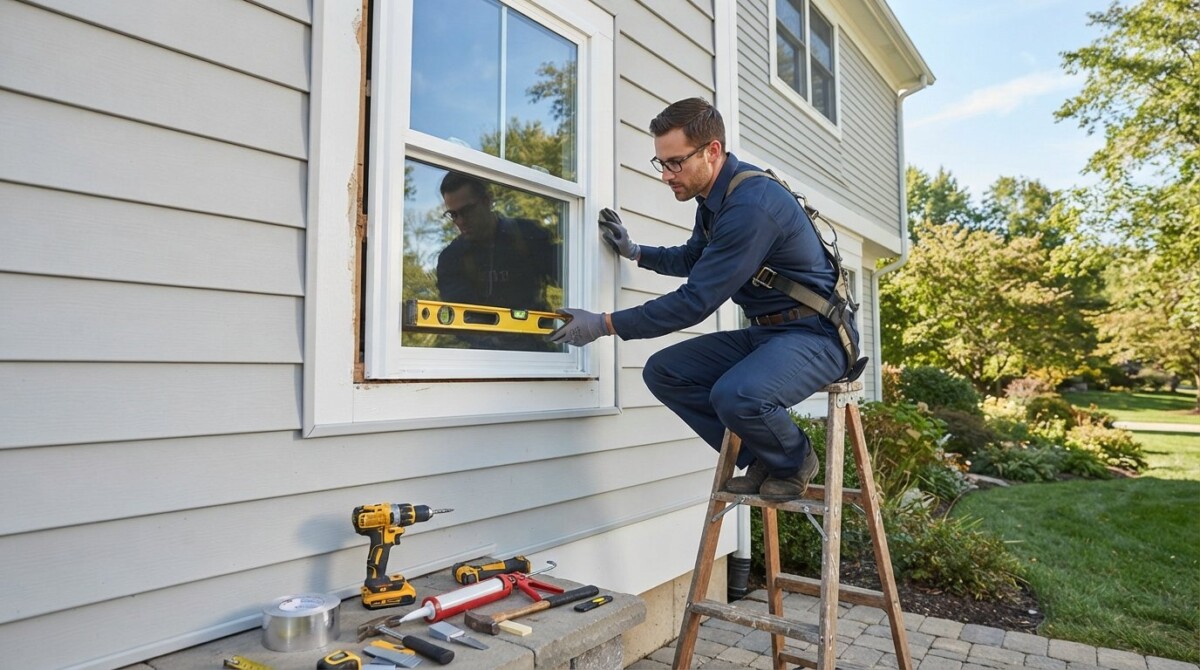
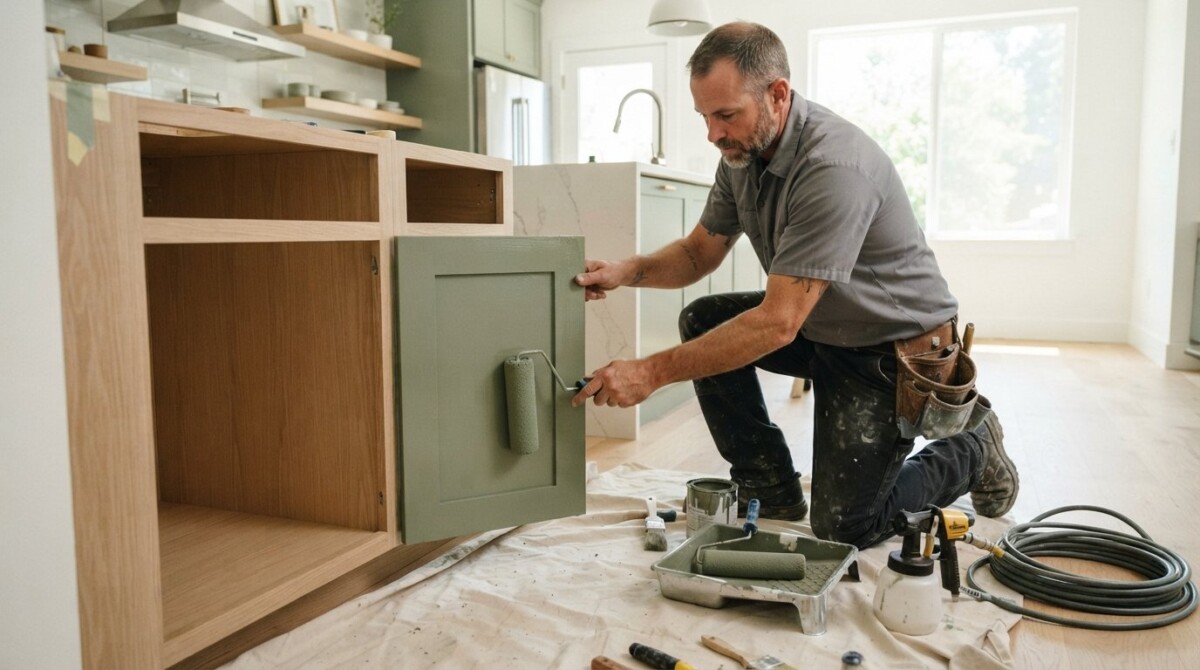
Not every contractor is a specialist, and the distinction matters more than most homeowners realize. A general contractor can manage a full home renovation, but they often subcontract the actual work to third-party tradespeople. A specialist, on the other hand, typically has a crew that works directly for them, with deep expertise in one or two areas: bathroom remodeling, roofing, window replacement, HVAC, or flooring.
Here are the key differences you should look for when comparing bids:
- Depth of experience: A specialist has completed dozens or hundreds of similar projects, not just a handful of mixed jobs.
- Direct accountability: The crew that shows up is the crew employed by the specialist, not a rotating cast of subcontractors.
- Better problem-solving: When issues arise, a specialist already knows the common pitfalls of their trade and how to fix them quickly.
- Warranty reliability: If something fails six months later, the same specialist is still in business and still responsible.
That last point is often the difference between a minor repair and a legal battle. National chains frequently close local offices or change franchise owners, leaving you with a warranty that is not worth the paper it is printed on. A local specialist with a brick-and-mortar address and a stable crew is far more likely to honor their workmanship guarantee.
How to Vet Local Home Improvement Specialists
Finding the right specialist is a research project, but it does not have to be overwhelming. Start by asking neighbors, friends, and local Facebook groups for recommendations. Then, take each candidate through a simple vetting process that covers licensing, insurance, references, and communication style.
First, verify that they hold the appropriate license for your state and locality. A license is not just a piece of paper; it proves that the contractor has passed exams, carried insurance, and met minimum competency standards. Ask to see their certificate and look up their license number online to confirm it is active and has no disciplinary actions.
Second, check their insurance. You need proof of both general liability and workers’ compensation coverage. If a worker gets injured on your property and the contractor is not properly insured, you could be held liable for medical bills and legal fees. A reputable specialist will happily provide certificates of insurance before you sign anything.
Third, ask for at least three recent references from projects similar to yours. Call those references and ask specific questions: Did the crew show up on time? Did they clean up daily? Did the final price match the estimate? Would you hire them again? This step alone can eliminate half of your candidates.
Finally, pay attention to how they communicate during the vetting process. If a contractor is slow to respond, vague about timelines, or dismissive of your questions, that is a red flag. The best local home improvement specialists treat the bidding process as the beginning of a relationship, not a transaction.
For homeowners who want to skip the legwork, platforms like HomeRemodelingLeads can connect you with pros who have already been vetted for licensing, insurance, and customer reviews. Instead of calling ten different contractors and hoping for the best, you can receive pre-qualified leads from homeowners in your area who are actively seeking services. That is the opposite of cold-calling; it is a warm introduction to a ready customer.
The True Cost of Hiring Local
Many homeowners assume that big-box contractors offer lower prices because they have national buying power. In reality, the opposite is often true. Large companies carry massive overhead: corporate offices, marketing budgets, sales commissions, and shareholder expectations. Those costs get passed directly to you. Local specialists, by contrast, operate leaner businesses and can often offer more competitive bids, especially when they are not paying for expensive call centers or nationwide advertising.
That said, the cheapest bid is rarely the best deal. A specialist who charges $500 more but includes permits, quality materials, and a clear warranty will save you money in the long run. The key is to compare apples to apples: get at least three itemized bids, check that each includes the same scope of work, and do not be afraid to ask for clarification on line items that seem inflated.
One area where local specialists really shine is in avoiding surprise bills. They know the typical cost of materials and labor in their region, so their estimates tend to be more accurate than a national estimator who works from generic data. In our guide to Denver home improvement projects, we emphasize how local permits and code compliance can add 10 to 20 percent to a project if you are not prepared. A specialist who handles permits daily will include those costs upfront, not as a surprise add-on later.
How to Negotiate a Fair Contract
Once you have selected a specialist, the contract is your safety net. Never start work without a written agreement that spells out the scope, the timeline, the payment schedule, and the warranty terms. A professional contractor will expect this; if they resist, walk away.
Here is a simple framework for reviewing any contract:
- Scope of work: Every task, material, and finish should be listed in detail. Vague phrases like “paint walls” are unacceptable; specify the brand, color, and number of coats.
- Payment schedule: Avoid paying more than 10 to 20 percent upfront. Tie payments to milestones, such as completion of demolition, rough-in, and final inspection.
- Change order process: Agree in writing that any changes to the scope will be documented as a change order with a price adjustment before the work is done.
- Warranty: Get a written warranty that covers both materials and workmanship for at least one year, ideally longer for major systems.
- Cleanup and disposal: Confirm that the contractor will remove debris and leave the site clean each day, and that dumpster fees are included in the bid.
Do not be shy about negotiating. Local specialists often have flexibility on price, especially if you can be flexible on scheduling or if you are bundling multiple projects. For example, a bathroom remodeler might give you a discount if you also hire them to update the flooring in the adjacent hallway. Just get any discount in writing before you sign.
Why Vetted Leads Beat Cold Calling
For contractors reading this, the challenge is not skill; it is finding homeowners who are ready to hire. Cold calling, door knocking, and generic advertising are inefficient and expensive. That is where a lead generation service like HomeRemodelingLeads changes the game. Instead of chasing every homeowner in your area, you receive leads from people who have already expressed interest in your specific service, often within your target service radius.
These are high-intent customers: they have a problem, they have a budget, and they are actively seeking a solution. When you respond quickly and professionally, you have a much higher chance of winning the job than if you were competing with dozens of other contractors for a cold call. The platform filters out tire-kickers and price-shoppers, so your time is spent on serious projects, not endless estimates.
For homeowners, the same platform works in reverse. You fill out a short form describing your project, and the system matches you with local home improvement specialists who are ready to bid. You get to compare quotes from three to five vetted pros without having to track down phone numbers or worry about who is licensed. It is a faster, safer way to start a renovation, and it is exactly the kind of resource we recommend in our smart home improvement guide for Denver homeowners.
Questions to Ask Before You Hire
Before you sign anything, schedule a consultation with each specialist and bring a list of questions. The answers will tell you a lot about their professionalism and whether they are a good fit for your project.
Ask about their experience with your specific type of project, how long they have been in business, and whether they have a portfolio or references you can review. Ask about their process: how do they handle unexpected issues like mold or wiring problems? How do they communicate progress? Will there be a single project manager on site, or will you be dealing with different crews?
Also, ask about permits. A reputable specialist will know exactly which permits your project requires and will pull them as part of the service. If they suggest skipping permits to save money, that is a huge red flag. Unpermitted work can void your insurance, cause problems when you sell the house, and even lead to fines from your local building department.
Finally, trust your gut. If something feels off during the consultation, it will not get better during construction. The best relationship is one where you feel comfortable asking questions and the contractor answers them honestly, even when the news is not what you want to hear.
Avoiding Common Renovation Mistakes
Even with a great specialist, mistakes happen. The difference is how they are handled. The most common homeowner mistakes include choosing the lowest bid without checking references, paying too much upfront, and failing to get a detailed contract. All of these are avoidable with a little patience.
Another frequent error is underestimating the disruption. A bathroom remodel can take two to six weeks, and a kitchen can take two to three months. Plan for noise, dust, and limited access to your home. A good specialist will give you a realistic timeline and stick to it, but you should build in a buffer for unexpected delays, such as backordered fixtures or hidden water damage.
It is also wise to set a contingency budget of 10 to 20 percent of the project cost. This is not for the contractor to inflate the price; it is for your peace of mind. If you find a better tile or decide to add a skylight, you will have the funds without stress. And if the project comes in under budget, you can put the extra toward a future upgrade.
The Bottom Line on Local Specialists
Your home is your largest investment, and the professionals you hire to improve it deserve careful consideration. Local home improvement specialists offer a level of accountability, craftsmanship, and community pride that national chains simply cannot match. By taking the time to vet candidates, negotiate a clear contract, and communicate openly, you set the stage for a renovation that adds real value to your home and your life.
Whether you are planning a bathroom refresh, a new roof, or a full kitchen remodel, start your search locally. Ask for referrals, check credentials, and use trusted platforms like HomeRemodelingLeads to connect with pros who are ready to work. The right specialist will not just meet your expectations; they will surpass them, and that is the kind of result every homeowner deserves.
About the Author: Lila Kensington